How Trauma Impacts Your Teeth And What You Can Do
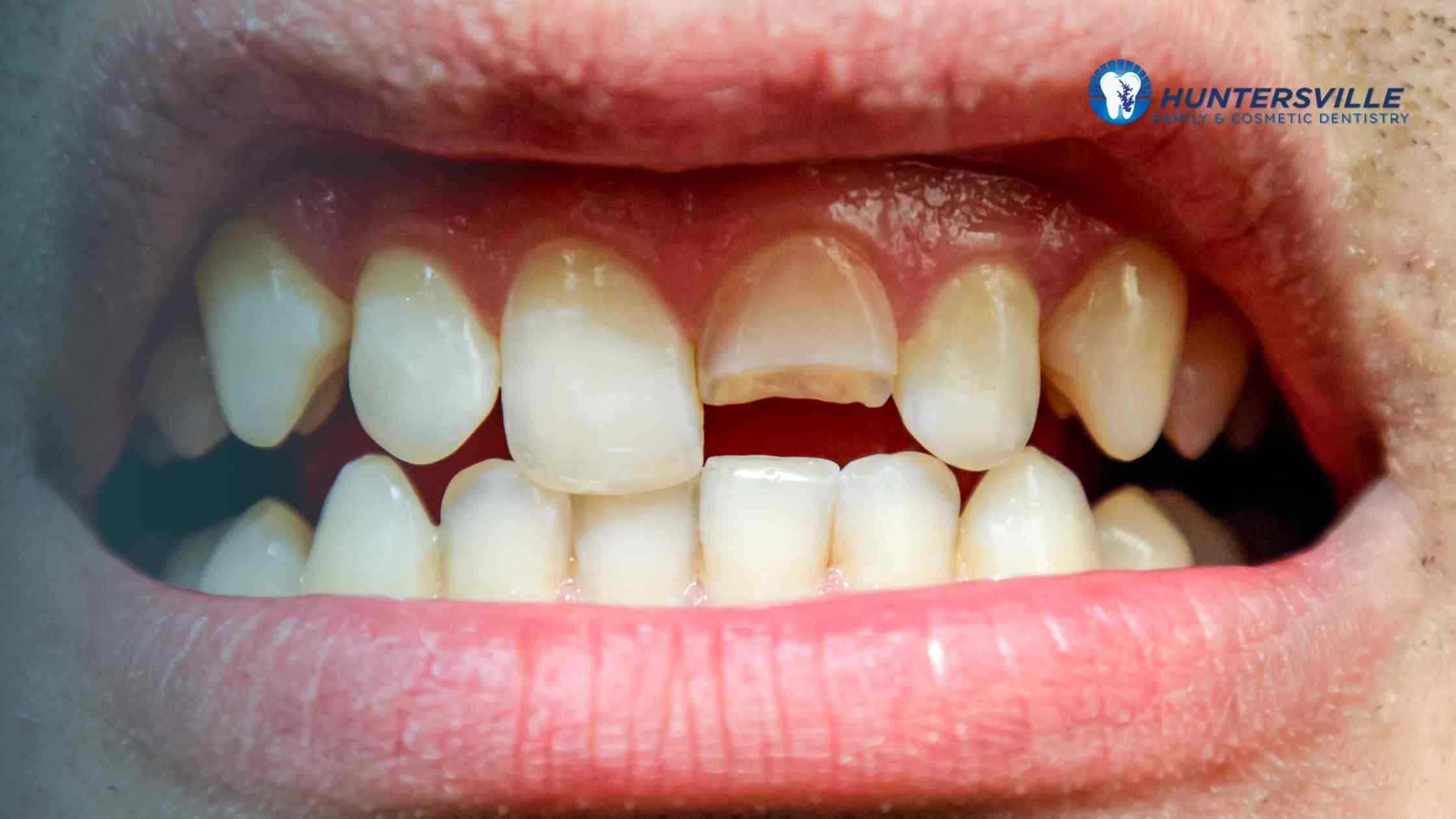
Accidents don’t always look serious at first. A slip and fall to the ground, a flying elbow while horseplaying, a quick turn of the head into the door, and all of a sudden your teeth have taken a traumatic hit. Sometimes the damage is very obvious right away, while other times, everything seems fine initially and the real trouble creeps up days or weeks later.
Since the impact of a tooth injury can be inconspicuous at first, it is best to treat any blow to your mouth as a serious injury. Fast medical attention can save your teeth, preserve your smile, and keep pain away when you eat, talk, and laugh.
Different Types Of Dental Trauma
Dental injuries often show up as more than just a chipped front tooth. Some are a lot easier to spot, while others are a bit more hidden beneath the surface layer, or enamel of the tooth.
Signs to look for include:
- Even the smallest of chipped or cracked tooth
- A loose tooth that feels odd when you bite down
- Pain or tenderness when you slight touch or tap the area without pressure
More severe tooth injuries can include the jawbone or even the tooth’s root. When the jawbone or root of the tooth experiences a trauma injury they may still look normal, yet the supporting structures, especially for the root, are stressed or severely damaged. If left untreated, jawbone and tooth root trauma can eventually lead to infection, tooth or bone loss.
Visible Versus Hidden Damage
Many people pay attention only when they see evidence of injury, and that’s understandable. However, a tooth can be injured without a dramatic visible effect. The teeth ligaments that hold it in place, the nerve inside, and the surrounding bone can all be impacted by a strong hit.
This is exactly the reason why dentists take dental trauma very seriously even if the change looks minor. A small crack can grow, a slightly loose tooth can become infected and unstable, and a darkened spot behind the enamel layer of the tooth can slowly form as blood flow is disrupted.
How Trauma Affects Your Teeth
There are short and long term ways a tooth injury can disrupt your oral health. Soon after the initial impact, you may experience sharp pain when teeth come in contact with hot or cold foods, pressure when biting down, or a dull ache in the jaw. That type of sensitivity often means the inner part of the tooth is irritated.
Over time, you may notice the tooth changing color to appear grey or brown. This discoloration often happens after the nerve and blood supply inside the tooth are impacted. In some cases the tooth might stay in place but eventually lose its vitality.
Mouth injuries can also change how your teeth align when you close your mouth. Even a small shift in alignment can place stress on the teeth, create discomfort in the jaw, and lead to erosion of the tooth. It’s a bit like taking a walk in shoes that are leaning or slightly off due to wearing down. You may be able to tolerate it for a little while, but eventually your feet will begin to feel the effect of the instability or misalignment of your feet in the shoes..
Common Questions Patients Ask
Is it normal for my tooth to still be this sore after being hit a day ago?
Some pain or even tenderness can be expected, but the type of pain that lingers, worsens, or wakes you up at night is a sign that you should seek dental treatment.
My tooth looks fine, can’t I just wait and see?
You could wait and see, but that choice carries some level of risk. For example, hidden damage will not repair itself, so early examination by a qualified dental professional is usually easier and more conservative than waiting for a larger problem to develop.
When You Should See A Dentist
In general, if you’ve taken a hit to the mouth, you should have it checked out as soon as possible. This is especially true in situations where you find a tooth is loose or knocked out of position, you see a fracture, you notice bleeding somewhere around a tooth, or along the edge of the gumline, or if you develop sensitivity to temperature or pressure.
Our experienced dentist in cosmetic and restorative dental care, Dr Anthony Marra at Huntersville Family & Cosmetic Dentistry, can examine the injury area, take digital photos, and decide whether immediate dental treatment is necessary or if careful monitoring is safer. The aim is always to protect the tooth, establish comfort, and protect your whole mouth.
A Few Treatment Options After Dental Injury
Treating an injured tooth is not the same for every patient. The correct approach depends on the type of damage, how deep it goes, and how long it has been present.
Repairing Chipped Or Cracked Tooth
For small tooth chips or minor fractures, dental bonding is often the best solution. With this treatment option, a tooth colored material is shaped and attached directly to the tooth in order to restore its natural shape. In other instances, porcelain veneers or dental crowns may be a better solution for reinforced strength and an even appearance, especially for front teeth where your smile is on display every day.
Protecting The Inner Layer Of The Tooth
When the nerve or pulp inside a tooth has been impacted by injury or even infection, a root canal can be the tooth saver. Many patients are surprised to learn that this dental treatment is designed to eliminate pain, not cause it. The damaged tissue inside is completely removed, the space is cleaned, and the root canal is sealed so you can keep the natural tooth in place with a new, strong restoration on top.
When A Tooth Is Knocked Out Or Cannot Be Saved
If a tooth has been completely knocked out due to injury, time is of the essence. You should place the tooth in milk or a tooth preservation solution if available, avoid bothering the root, and contact a Dr. Marra immediately.
If the tooth can’t be saved, an implant can act as a modern replacement that looks and feels very similar to your natural tooth. This replacement will serve to help preserve your bite, your jawbone structure and health, and of course your confident smile. Other options include Bridges and custom partial dentures that can be discussed based on your situation.
Why Acting Quickly Matters
It is tempting to wait and hope that pain or soreness will fade or that a small fracture is only a cosmetic dental health concern. In reality, the purpose of early treatment is to prevent infection, reduce the need for more complex procedures later, and protect neighboring teeth from added pressure. Think of it as addressing a small problem before it becomes a big problem.
Preventing Dental Trauma
Not all accidents can be avoided, yet there are some simple habits that decrease the chances of serious damage.
If you play a contact or high energy sport or activity, using a well fitted mouthguard is one of the best investments you can make. These dental devices help cushion blows that might otherwise chip teeth or injure lips and cheeks. Even weekend athletes can benefit from this extra layer of protection.
Your daily habits also matter. Habits like, chewing on ice, pens, or hard candies puts unnecessary pressure on the outer enamel layer of the tooth that may already be stressed. Making an effort to stop these behaviors can make a real difference. Also, regular dental visits allow your dentist to see and treat small cracks, worn areas, or signs of clenching and grinding before a tooth injury tips them over the edge.
Emergency Dental Services In Huntersville NC
Living in Huntersville means you don’t have to go far for emergency dental care after a dental injury. Huntersville Family & Cosmetic Dentistry, led by Dr Anthony Marra, provides a comprehensive approach that looks beyond the immediate effect of your dental trauma. The team considers how your teeth fit together, how your smile looks, and how to holistically support the health of your gums and jaw over time.
Whether you need dental bonding for a small fracture, a custom dental crown, root canal treatment, or a plan to replace a missing tooth, your treatment can be customized to your goals and lifestyle. During your visit you will have a chance to ask questions, understand your treatment options, and choose a path that feels right for you.
Your Next Step
We know that dental trauma can feel alarming in the moment, but you are not without options. Understanding fully, the risks, watching for warning signs, and seeking emergency dental care promptly can make the difference between losing a tooth and saving it.
If you or a family member has recently taken a hit to the mouth, even if the teeth look normal, schedule a visit with Huntersville Family & Cosmetic Dentistry. A careful exam today can help to restore dental health and preserve your smile for tomorrow.
Search Our Site
Meet Our Family & Cosmetic Dentists in Huntersville, NC
If you are looking for a dentist in Huntersville, NC, you have come to the right place. We are ready to help you get started on the path to improving your family’s oral health. Our combined experience and gentle care provide each member of your family the attention they deserve.
Do You Need An Appointment?
Recent Posts
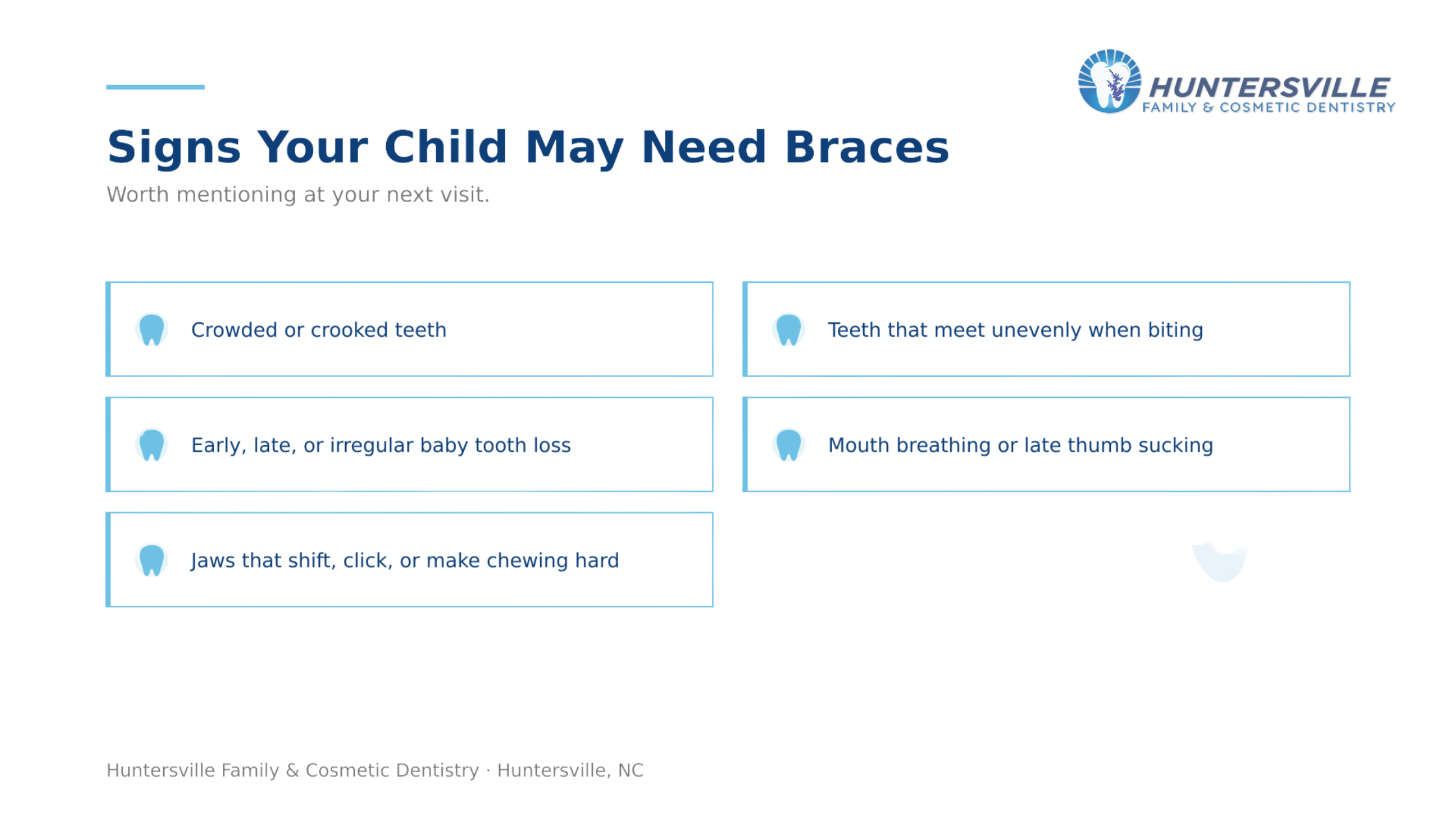
Braces for Kids: A Huntersville Parent Guide
Braces for Kids: A Huntersville Parent Guide Few parenting questions arrive [...]

Can Yellow Teeth Become White Again?
Can Yellow Teeth Become White Again When a smile takes on [...]
Dental Implants in Huntersville, NC: What to Expect
Dental Implants in Huntersville, NC: What to Expect and Why They Last Losing [...]
Denture Sore Spots and Relief
Denture Sore Spots and Relief Denture pain may begin as a minor irritation [...]
