
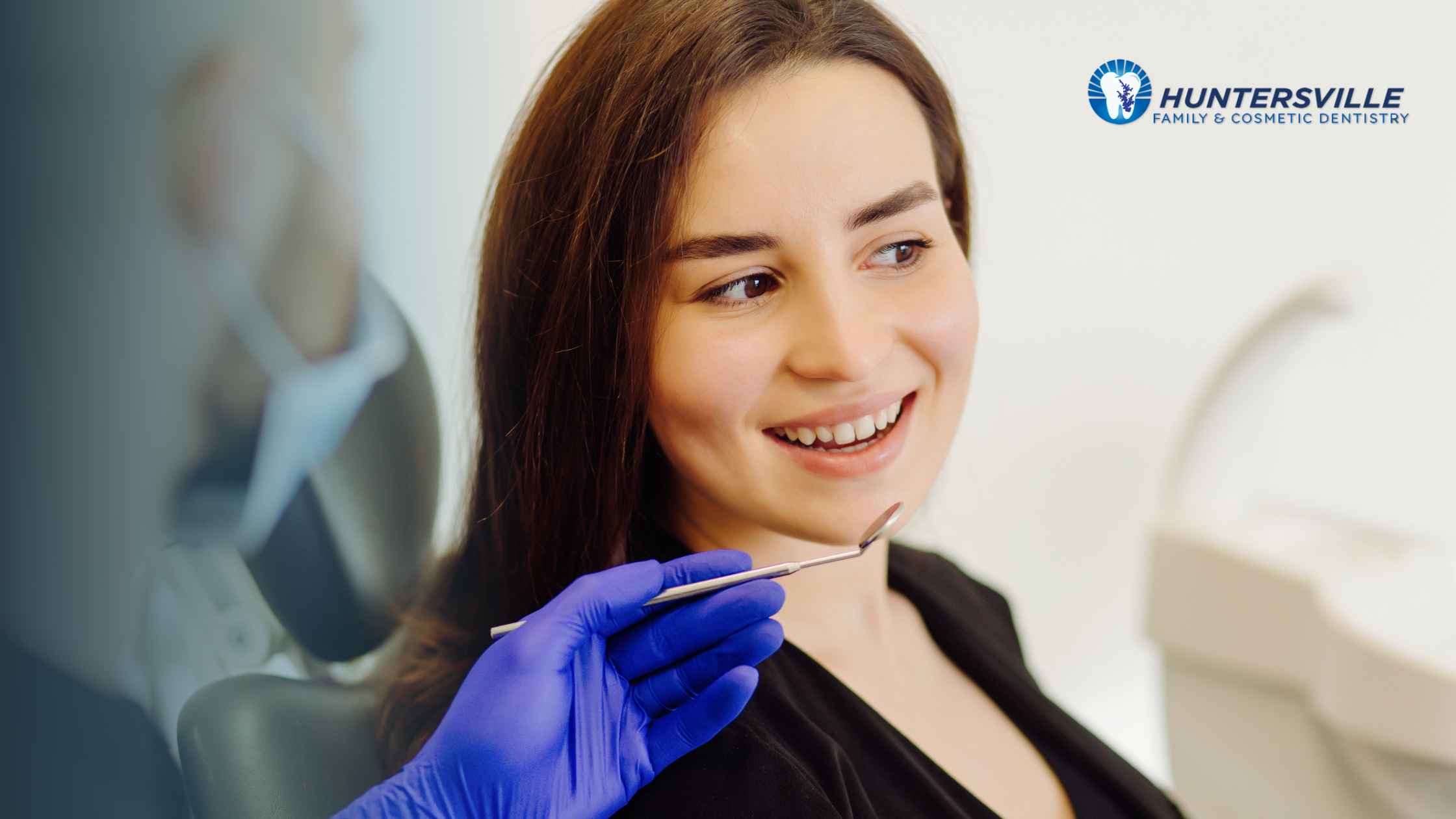
Denture Sore Spots and Relief
Denture pain may begin as a minor irritation and develop into an everyday issue much faster than you would have expected. What starts as gentle rubbing can soon cause it to be difficult to eat, talk, and even smile. In dentistry, it is known as denture sore. In most instances, the reason is purely that there is too much pressure in a single area, motion due to a loose fit, or gum tissue that remains to settle. The positive thing is that sore spots in dentures are normal, curable, and often disappear after the denture is properly adjusted.
Why They Happen
Dentures rest on gum tissue, and that tissue is delicate. When the fit is even, the pressure is spread out. When it is not, one small area takes more force than it should. That repeated friction can leave the gums red, tender, or raw. Sometimes this happens with new dentures as the mouth adapts. In other cases, it shows up later because the shape of the gums and jaw naturally changes over time, causing the denture to shift more than it used to.
Food can also play a role. Crunchy or firm foods may press the denture into one area again and again. Meanwhile, a denture that feels only slightly loose can create more rubbing than many people expect. It is not unusual for patients to think the denture just needs more time when, in reality, it needs a small adjustment.
Dentures are placed on gum tissue, which is already delicate. The pressure is distributed evenly when the fit is perfect. When it is not, a little patch in it absorbs more than its fair share of force. This frequent friction may make the gums reddish, sore, or raw. This can occur sometimes because the new dentures are adapting to the mouth. In other situations, it appears later due to the change in the shape of the gums and jaw with time, resulting in the denture moving more than it did previously.
Food can also play a role. Hard or sharp foods can push the denture to one side repeatedly. Other times, a loosely fitted denture may cause rubbing of the area. Patients often believe that their denture only requires more time when actually they require a minor modification.
Common Signs
Look at an area that is irritated each time the denture is inserted. It can be reddened, have a small ulcer, swollen, or burning. Some will find that one side will feel okay at the end of the day, and the other side will be sore. Others discover that they can no longer chew or speak in an awkward manner, trying to protect a sensitive area.
Home Care
It is only a matter of simple steps that can soothe denture sore spots until the appointment. One of the safe points to start is a saltwater mouth rinse of sore spots in dentures. Warm salt water may be used to calm swollen tissue and aid in keeping the mouth clean. Take off the denture, rinse it, and do not use anything too hot or too strong.
Equally, rest the tissue as much as possible. Sleeping without a denture, unless advised otherwise by a dentist, can tend to alleviate pressure on the gums. Eating softer foods may also help to avoid the worsening of the area. What must be avoided is the attempt to redesign the denture at home or excessive application of adhesive to fix the device. This may create a poor fit, so it’s basically pointless! The remedy is a short-term one, but it can hardly resolve it.
What Not To Ignore
If the sore spot keeps returning in the same place, that matters. If the denture rocks, clicks, or feels unstable, that matters too. Persistent irritation is not something to push through. Over time, ongoing friction can make the tissue more inflamed and harder to heal.
Check if you feel the same pain continuously; that is a telltale of a problem remaining. When the denture rocks, clicks, or feels unstable, that is important as well. Constant irritation is not something you should dismiss. Continuous friction may eventually result in a more inflamed tissue that is difficult to heal.
When To Come In
A realignment is the next step to take in case the soreness spans more than a few days, the eating feels like a burden, or when the denture feels wobbly. The fix is trivial and fast in certain situations. A dentist is able to determine where the pressure point is, flatten the place, and assist the denture in sitting better. When the fit has shifted more substantially, a reline or replacement might be required.
Denture sore spots affect anybody wearing it and it is usually the best thing to do to visit a dentist in Huntersville, North Carolina, before the problem deteriorates. At Huntersville Family & Cosmetic Dentistry, the patients will be offered assistance with full and partial dentures, adjustments, and the continued fit difficulties.
Request An Appointment Today
Search Our Site
Meet Our Family & Cosmetic Dentists in Huntersville, NC
If you are looking for a dentist in Huntersville, NC, you have come to the right place. We are ready to help you get started on the path to improving your family’s oral health. Our combined experience and gentle care provide each member of your family the attention they deserve.
Do You Need An Appointment?
Recent Posts

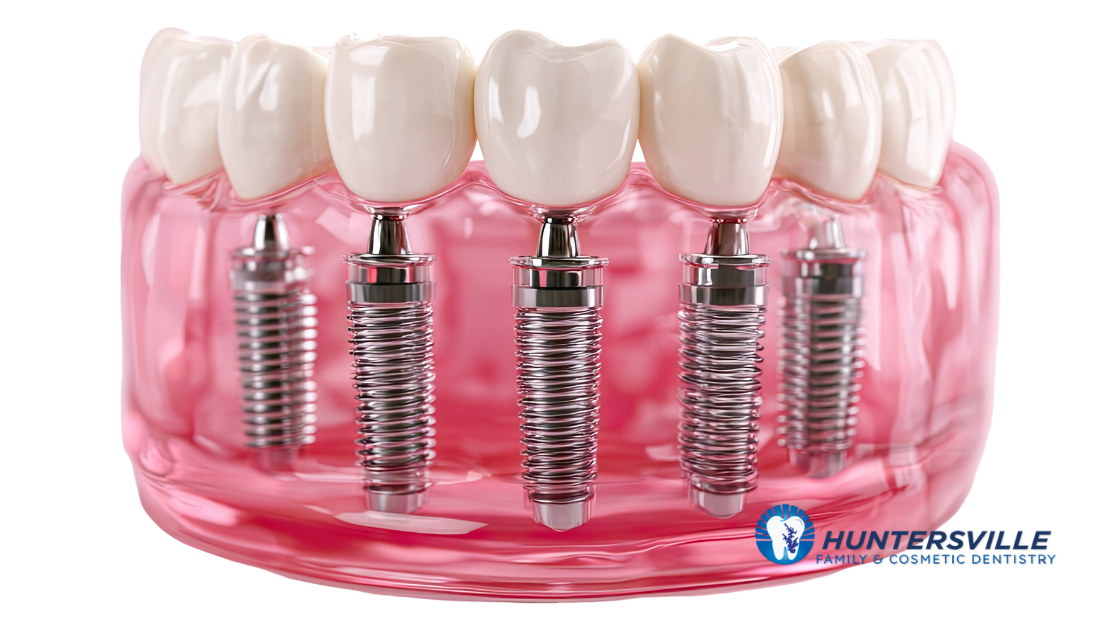
Dental Implants in Huntersville, NC: What to Expect
Dental Implants in Huntersville, NC: What to Expect and Why They Last Losing [...]
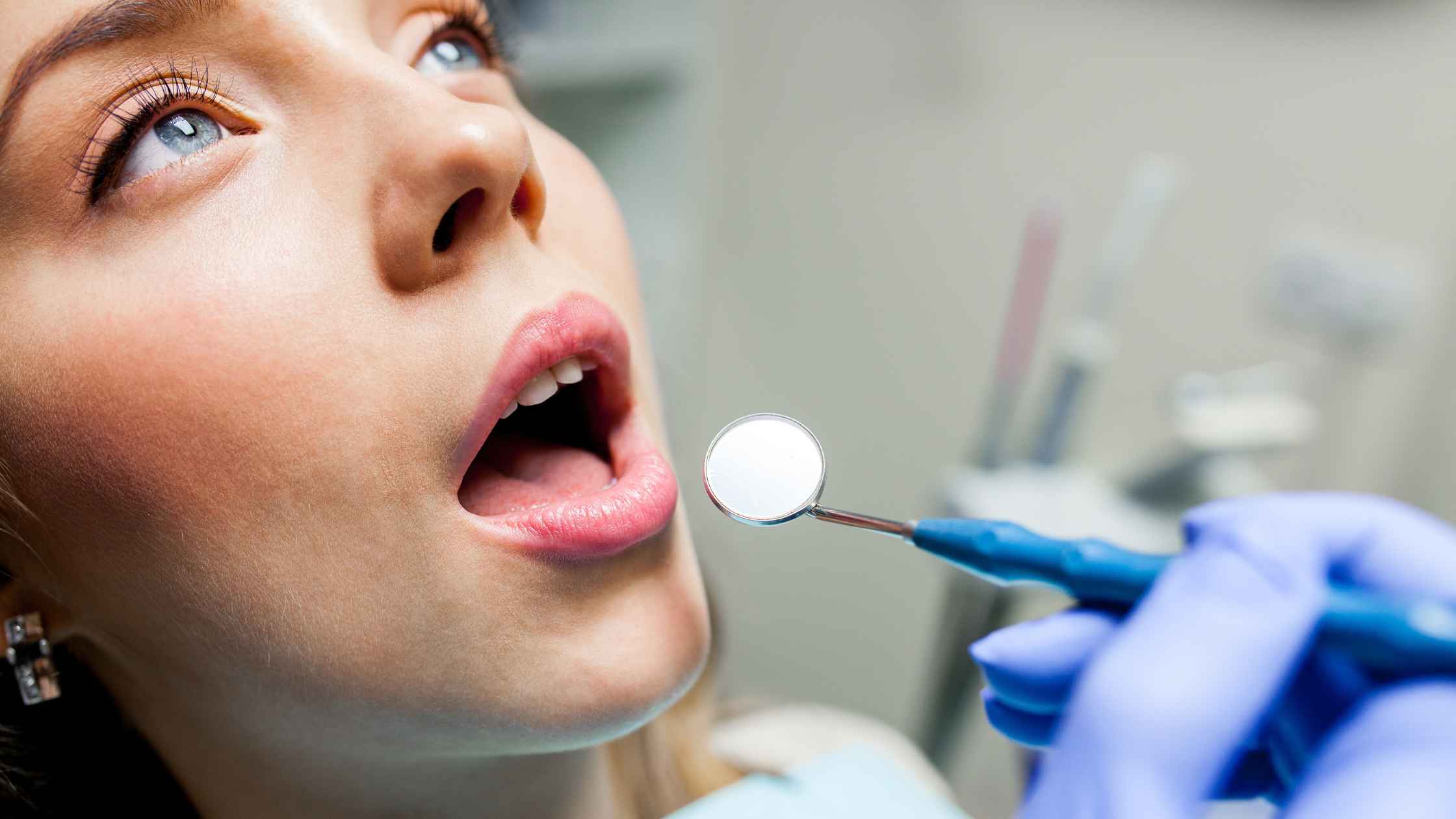
Denture Sore Spots and Relief
Denture Sore Spots and Relief Denture pain may begin as a minor irritation [...]
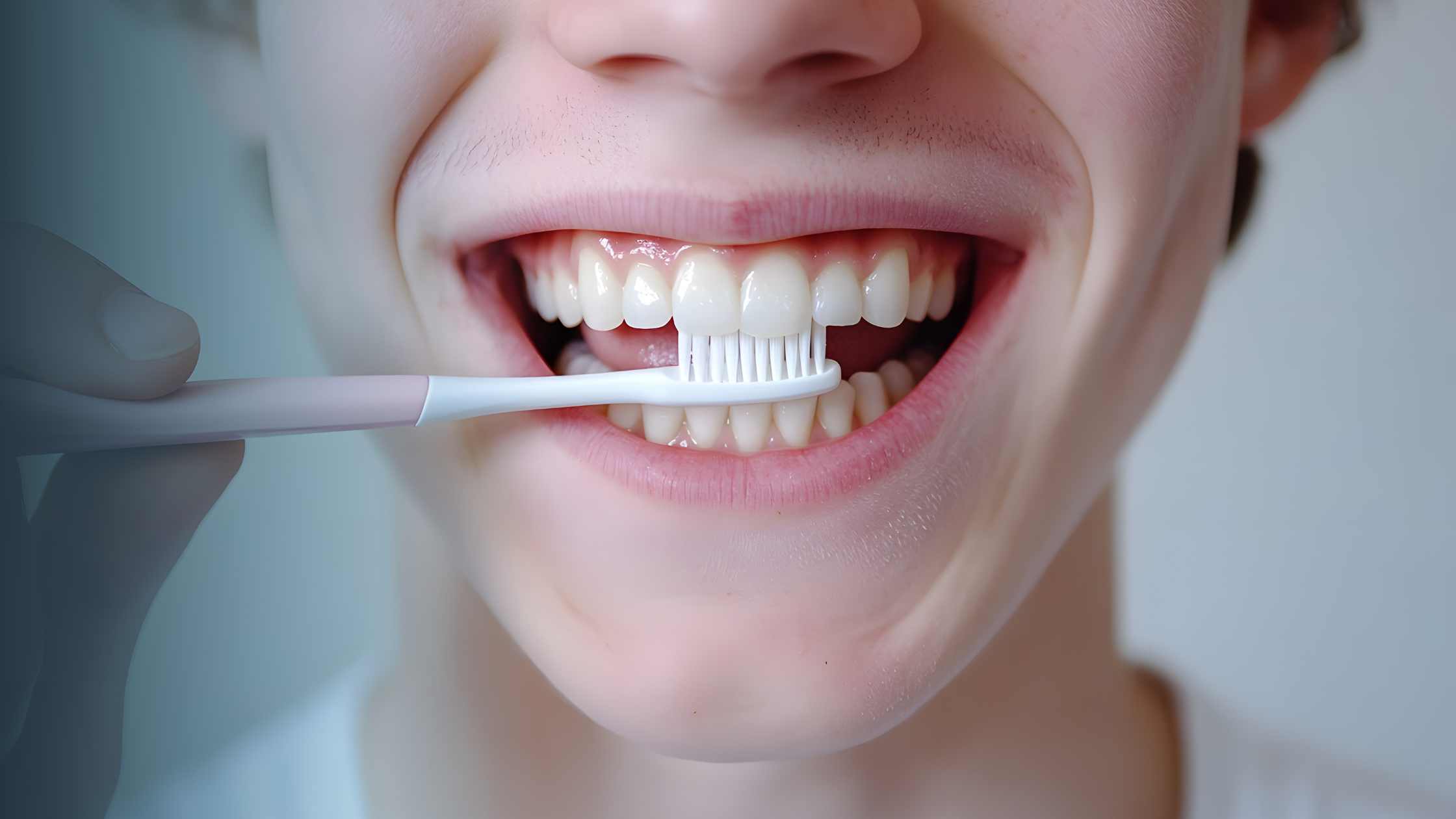

Can Dentists Tell If You Brush Daily
Can Dentists Tell If You Brush Daily Ever sat in a dental chair, [...]

How Trauma Impacts Your Teeth And What You Can Do
How Trauma Impacts Your Teeth And What You Can Do Accidents don’t always [...]
